
Overview of RCMPI Criminal Record Check
The RCMP criminal record check is a government‑issued document confirming an individual’s background. It is used for employment, volunteer work, and licensing. The form requires personal details, consent, and a signature to validate the request. Applicants submit online or by mail, processed 5–10 days!
Purpose and Legal Basis

The RCMP Criminal Record Check is a government‑issued document that verifies an individual’s criminal history. It is used by employers, licensing bodies, volunteer groups, and other organizations to ensure public safety and compliance with legal standards. The check is mandated by the Criminal Records Act and governed by the Privacy Act, which require strict confidentiality and only authorized disclosure. Applicants must consent to the release of their records, and the RCMP must comply with the Personal Information Protection and Electronic Documents Act (PIPEDA). The purpose of the check is twofold: to protect society from potential risks and to safeguard the applicant’s rights by ensuring accurate, up‑to‑date information. By following these legal frameworks, the RCMP provides a trustworthy tool that balances accountability with privacy, supporting both community safety and fair treatment of job seekers. This process ensures employers can make informed decisions while respecting the individual’s right to privacy. RCMP records are updated daily, reflecting new convictions or changes in status. Applicants can request a copy if needed. The RCMP also offers expedited processing for urgent cases, with results typically available within 5 to 10 business days, depending on request volume. Applicants can also request a copy if needed, and the RCMP provides clear guidelines for appealing a denied check, ensuring transparency and fairness throughout the entire process. RCMP’s commitment to privacy and accuracy ensures reliable data for all.!
Who Requires a Check
Individuals and organizations across Canada must obtain an RCMP criminal record check for a variety of reasons. Employers, especially in health care, education, child‑care, and security sectors, routinely request checks to ensure staff and volunteers pose no risk to vulnerable populations. Licensing authorities for professions such as nursing, teaching, and social work mandate checks before issuing credentials. Volunteer groups, non‑profit organizations, and community clubs often require checks to protect children, seniors, and other at‑risk groups. Additionally, immigration authorities and government agencies use checks when processing visa applications, work permits, or security clearances. Private companies in finance, law, and technology may also request checks to verify background before hiring or contracting. In many cases, the check is a legal requirement under provincial or federal legislation, while in others it is a best‑practice policy to promote safety and trust. Applicants who are applying for scholarships, student housing, or other benefits may also be asked to provide a recent RCMP check. The RCMP offers several types of checks—basic, standard, and enhanced—each suited to different needs, from simple employment screening to comprehensive background investigations for high‑risk roles. By understanding who must provide a check, applicants can prepare the necessary documents and avoid delays in processing. Applicants should keep a copy of completed form for their records and can request a duplicate if needed for future applications.!

Understanding the RCMPI Criminal Record Check Form
The RCMP form is a PDF requiring personal data consent and signature. It lists fields for name, address, date of birth and identification numbers. Applicants must download the PDF, fill it out accurately, and submit it via mail or online portal!
Key Fields on the Form
Open the RCMP criminal record check PDF and you’ll see a structured form that collects the information needed for a background check. The form is broken into logical sections, each with specific fields that must be completed accurately to avoid delays. Below are the main fields you’ll encounter:

- Personal Identification: Full legal name, middle names, suffixes, current residential address, date of birth, place of birth, and nationality. These details confirm your identity against national databases.
- Identification Numbers: Government‑issued IDs such as SIN, passport number, or driver’s licence number. List each ID in the designated sub‑fields.
- Previous Addresses: Current address and last address you lived at for at least six months. This information is cross‑checked with address databases.
- Consent and Authorization: A consent clause that requires you to acknowledge the information is true and that you authorize the RCMP to conduct a background check. Sign and date this section.
- Signature: Handwritten or electronic signature, depending on the submission method. Confirms that you have reviewed the entire form and agree to its contents.
Each field feeds into the RCMP’s automated verification system. Skipping or incorrectly filling any field can result in processing delays or the need for documentation. Double‑check each entry for accuracy before submitting the form.!
How to Obtain the PDF

To acquire the official RCMP criminal record check form, you have several reliable options. The most straightforward method is to visit the official RCMP website and navigate to the “Criminal Record Check” section. There, a downloadable PDF link is provided. Ensure you are on the authentic site (https://www.rcmp.gc.ca) to avoid phishing attempts.
Alternatively, you can request the form by contacting the RCMP’s local office via phone or email. When calling, ask for the “Criminal Record Check Application” PDF and confirm the correct version for your jurisdiction. Some provinces offer an online portal where you can fill out the form electronically; the portal will generate a PDF for you to print or save.
For those who prefer a hard copy, you can visit a local RCMP office or a designated service centre. Bring a valid photo ID, and the staff will provide a paper copy of the form. If you are in a remote area, the RCMP may mail the PDF to your address upon request.
Remember to keep the PDF updated; the RCMP periodically releases new versions to reflect policy changes. Always download the latest file from the official source and verify the document’s authenticity by checking the digital signature or watermark.
Whether you’re a first‑time applicant or renewing an existing record, the PDF is the same. Keep a copy for your records, and note that the RCMP may require additional documentation such as a passport photo or proof of address. Follow the instructions carefully to avoid processing delays and submit soon
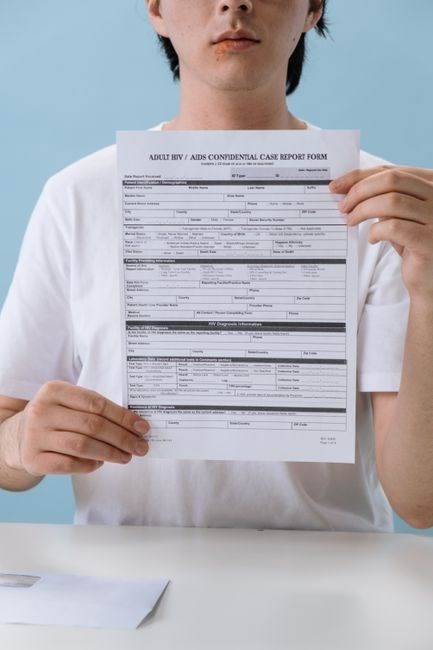
Step-by-Step Guide to Completing the Form
Begin by downloading the PDF from the RCMP site. Fill in your full name, date of birth, and address. Attach a recent photo ID. Sign where indicated, then scan or photograph the completed form. Submit via the specified email or postal address. and keep copy
Personal Information
When completing the RCMP criminal record check form, the Personal Information section is the foundation of your application. It requires you to provide accurate identifiers that allow the RCMP to match your records. Begin by entering your full legal name exactly as it appears on your government issued documents. If you have a middle name or a commonly used nickname, include both to avoid confusion. Next, enter your date of birth in the format DD‑MM‑YYYY; this is crucial for distinguishing you from others with similar names. Provide your current residential address, including street, city, province or territory, and postal code. If you have lived at multiple addresses in the past five years, list the most recent one and include previous addresses if requested. Your phone number and email address are also required; these will be used for communication regarding the status of your request. Additionally, you must supply your Social Insurance Number (SIN) or equivalent identification number, if applicable, to facilitate the verification process. Finally, indicate your citizenship status and any permanent residency status you hold. This information must be truthful and up to date, as any discrepancies can delay processing or result in a denied request. Carefully review each field before moving to the next section.
Applicants should double‑check spelling of names and dates, as errors can delay the check. Keep a copy of the completed form for your records and note the submission date. and ensure all details are accurate.!!!
Consent and Signature
Before submitting the RCMP criminal record check form, you must provide explicit consent and a valid signature. The consent section confirms that you authorize the RCMP to conduct a background check and release the results to the designated recipient. Read the consent statement carefully; it outlines the scope of the check, the parties who may receive the information, and the duration the record will be retained. You must agree to all terms by checking the box or typing “I consent.” If you are a minor, a parent or legal guardian must sign on your behalf, indicating that they understand the implications of the check. The signature must be in your own handwriting if you are mailing the form, or a digital signature if you are submitting online. For a digital signature, use a secure method such as a scanned image of your signature or an electronic signature tool that meets RCMP standards. Ensure the signature is legible and matches the name listed in the personal information section. The date of signing is also required; it establishes the time frame of the consent. If you change your mind after signing, you can request a cancellation by contacting the RCMP within 30 days of the original submission. Failure to provide a valid signature or consent will result in the form being rejected or delayed. Always keep a copy of the signed form for your records. When you submit the form, retain a copy of the signed document and confirmation receipts! Keeping a record also protects you in case of any discrepancies or lost paperwork!!.!!.

Submitting the Form and Follow-Up
After completing the RCMP criminal record check form, submit it via mail, courier, or online portal. Include a self‑signed copy and any required fees. Once received, the RCMP processes the request, typically within 5–10 business days. Track status through the online portal or by contacting the RCMP office ASAP.!
Submission Methods
Applicants can submit the RCMP criminal record check form through several reliable channels, each tailored to accommodate different preferences and logistical needs. The most common method is by mail, where the completed form, a self‑signed copy, and any required payment are enclosed in a secure envelope and sent to the designated RCMP office. This traditional route is favored for its simplicity and retain a record.

For those who prefer a faster turnaround, the online portal offers a digital submission option. Users must create an account, upload the PDF form, and attach supporting documents, such as a passport photo or a notarized consent form. The portal accepts electronic signatures, which are legally binding and reduce processing time.
Courier services provide a third alternative, combining speed and security. Using a courier, applicants can track the package in real time, ensuring the form reaches the RCMP office promptly. This method is especially useful for urgent requests or when mailing from remote locations.
Regardless of the chosen method, it is essential to verify that the form is fully completed, signed, and accompanied by the correct fee. Incomplete submissions often result in delays or rejections, so double‑checking each field before sending is highly recommended. Additionally, keeping copies of all documents can help resolve any future discrepancies quickly.
Applicants should keep a copy of form and receipts for future reference in! and keep it safe daily

Tracking the Request
Once the RCMP criminal record check form is submitted, applicants can monitor the progress through several official channels. The RCMP’s online portal offers a real‑time status dashboard where users enter their unique reference number to view stages such as “Received,” “Under Review,” and “Completed.” This portal requires a secure login, and the reference number is printed on the receipt sent with the application. For those who used the postal or courier method, the RCMP provides a tracking service via the Canada Post or courier’s own system. By entering the tracking code on the RCMP website, applicants can see when the package arrives at the processing center and when the final certificate is dispatched. If the package is delayed, the portal will display a “Hold” status and recommend contacting the RCMP office directly. Applicants can also request a status update by phone or email. The RCMP’s customer service line is available Monday to Friday, 8 a.m. to 5 p.m., and responses typically occur within 24–48 hours. Email inquiries should include the reference number and a brief description of the request to expedite the process. It is advisable to keep the reference number and any confirmation emails in a safe place. If the status shows “Completed” but the certificate has not been received, applicants should verify their mailing address and contact the RCMP to confirm dispatch. Regular tracking helps avoid unnecessary delays and ensures timely receipt of the criminal record check. Use the RCMP portal’s tracking to stay informed and resolve fastsoon!
Common Issues and FAQs
Common issues include missing signatures, incorrect dates, or outdated addresses. FAQs cover processing times, fee payment methods, and how to correct errors. If the check is delayed, contact the RCMP via their portal or call customer service for updates. Use the online portal for real‑time updates now.
Common Mistakes to Avoid
When completing the RCMP criminal record check form PDF, several pitfalls can delay processing or invalidate your request. First, double‑check that every field is filled in accurately. A single typo in your name, date of birth, or Social Insurance Number can trigger a rejection. Second, ensure you use the latest version of the PDF; older forms may not be accepted by the online portal.
Third, signatures must be in ink or a clear electronic signature; a faint or smudged signature often leads to a “signature not verified” error. Fourth, the consent checkbox must be ticked; leaving it unchecked will automatically invalidate the form. Fifth, fees must be paid in full and via an accepted method (credit card, cheque, or online payment). A partial payment or a bounced cheque will halt the request.
Sixth, avoid submitting a scanned copy of a handwritten form; the system requires a PDF generated from the official template. Seventh, do not include any additional documents or attachments unless explicitly requested; extraneous files can confuse the processing system. Eighth, keep a copy of the completed form for your records; if the RCMP requests a re‑submission, you’ll have the original ready.
Finally, after submission, monitor the status through the RCMP portal. If you do not receive confirmation within 10 business days, contact the RCMP help desk. By avoiding these common mistakes, you can ensure a smooth, timely issuance of your criminal record check. Apply promptly!OK
Frequently Asked Questions
- What is the processing time for an RCMP criminal record check? Typically 5–10 business days after submission, but it can vary during peak periods.
- Do I need to pay a fee for the check? Yes, a non‑refundable fee is required; payment methods include credit card or cheque.
- Can I request a record check for a former employee? Yes, but you must have written consent from the individual.
- What if my form is rejected? Check for missing or incorrect information, then resubmit using the latest PDF template.
- How do I track my request status? Log into the RCMP portal with your credentials and view the application dashboard.
- Can I use the same form for multiple applications? No, each application requires a separate, signed form.
- What documents must I provide with the form? A copy of your government ID and any supporting documents requested.
- Is the check valid for a specific period? The record is valid for 12 months from the date of issuance unless a new check is requested.
- What if I need a duplicate of my record check? Request a duplicate through the RCMP portal; a fee applies.
- How long does the record stay active? 12 months!