
Wegovy, a GLP‑1 agonist, aids weight loss by curbing appetite․ A PDF guide outlines five key tactics: dose timing, balanced meals, regular exercise, glucose monitoring, and digital support tools․ Boost mindful eating․
1․1 What is Wegovy?
Wegovy is a once‑weekly injectable medication approved for chronic weight management in adults with obesity or overweight conditions․ Its active ingredient, semaglutide, mimics the gut hormone glucagon‑like peptide‑1 (GLP‑1), enhancing satiety signals and slowing gastric emptying․ By binding to GLP‑1 receptors in the brain’s hypothalamus, it reduces hunger cravings and promotes fullness after smaller meals․ Clinical trials show significant weight loss—averaging 15–20% of baseline body weight over 68 weeks—when combined with lifestyle changes․ The drug’s pharmacokinetics allow steady plasma concentrations, minimizing peaks that could trigger nausea․ Patients start at a low dose and gradually increase to 2․4 mg, ensuring tolerance while maximizing efficacy․ Wegovy’s safety profile is well‑documented, with most adverse events being mild and transient․ Its integration into a structured weight‑loss plan offers a powerful tool for individuals seeking sustainable, evidence‑based results․ Its use is supported by robust clinical evidence and helps maintain results for long‑term success․ This method supports tailored care for lasting results now!․
1․2 How Wegovy Works
Wegovy works by mimicking the gut hormone GLP‑1, binding to receptors in the hypothalamus to increase satiety and reduce hunger․ to receptors in the hypothalamus to increase satiety and reduce hunger․ y and reduce hunger․ It slows gastric emptying, prolonging fullness after meals․ longing fullness after meals․ Semaglutide’s high affinity ensures steady-state levels, reducing nausea and maximizing efficacy․ affinity ensures steady-state levels, reducing nausea and maximizing efficacy․ It also improves insulin sensitivity, lowering blood glucose and supporting long-term weight maintenance․ a and maximizing efficacy․ It also improves insulin sensitivity, lowering blood glucose and supporting long-term weight maintenance․ ulin sensitivity, lowering blood glucose and supporting long-term weight maintenance․ Patients experience steady weight loss and improved metabolic health․ porting long-term weight maintenance․ Patients experience steady weight loss and improved metabolic health․ experience steady weight loss and improved metabolic health․ The drug’s efficacy is supported by robust clinical evidence, making it a reliable option for sustained weight management․ bolic health․ The drug’s efficacy is supported by robust clinical evidence, making it a reliable option for sustained weight management․ by robust clinical evidence, making it a reliable option for sustained weight management․ Patients report improved confidence and quality of life․ option for sustained weight management․ Patients report improved confidence and quality of life․ report improved confidence and quality of life․ The combination of appetite suppression, delayed gastric emptying, and improved glucose homeostasis underlies Wegovy’s robust weight‑loss efficacy․ combination of appetite suppression, delayed gastric emptying, and improved glucose homeostasis underlies Wegovy’s robust weight‑loss efficacy․ ric emptying, and improved glucose homeostasis underlies Wegovy’s robust weight‑loss efficacy․ rlies Wegovy’s robust weight‑loss efficacy․ Here․ The medication’s pharmacodynamics involve a gradual dose escalation, minimizing gastrointestinal side effects while maximizing appetite control․ dose escalation, minimizing gastrointestinal side effects while maximizing appetite control․ This approach ensures patient adherence and sustained weight loss․ s while maximizing appetite control․ This approach ensures patient adherence and sustained weight loss․ Patients experience improved metabolic profiles and reduced cardiovascular risk․ approach ensures patient adherence and sustained weight loss․ Patients experience improved metabolic profiles and reduced cardiovascular risk․ weight loss․ Patients experience improved metabolic profiles and reduced cardiovascular risk․ The drug’s safety profile is well documented, with nausea being the most common transient side effect․ life and reduced cardiovascular risk․ The drug’s safety profile is well documented, with nausea being the most common transient side effect․ safety profile is ok

Preparing for Wegovy Treatment
Before starting Wegovy, consult a healthcare provider for a thorough medical evaluation, review medications and assess readiness․ Set realistic goals, plan meals, and schedule exercise to support successtrack progress

2․1 Medical Evaluation
Before initiating Wegovy, a comprehensive medical evaluation is essential․ Start by documenting baseline weight, height, BMI, waist circumference, and body composition․ Review medical history for cardiovascular disease, hypertension, type 2 diabetes, thyroid disorders, and gastrointestinal conditions․ Conduct a physical exam focusing on heart, lungs, and abdominal assessment․ Order laboratory tests: fasting glucose, HbA1c, lipid panel, liver enzymes, kidney function, thyroid-stimulating hormone, and complete blood count․ Evaluate medication list for potential interactions, especially with antihypertensives, antidiabetics, and anticoagulants․ Discuss lifestyle habits, sleep patterns, and stress levels․ Assess readiness for behavioral change and set realistic weight‑loss targets․ Document all findings in a structured chart to guide dosing strategies and monitor safety throughout therapy․

Metabolic assessment, including resting energy expenditure and hormonal profiling, guides dosing․ Document bariatric surgery or medication changes to anticipate tolerance and outcomes!

2․2 Lifestyle Readiness
Before starting Wegovy, assess daily habits and readiness to sustain change․ Track eating patterns, portion sizes, and snacking triggers․ Evaluate sleep quality, aiming for 7–9 hours nightly, and stress levels, using mindfulness or CBT techniques․ Identify barriers such as time constraints, social events, or emotional eating․ Create a realistic meal plan with balanced macronutrients, focusing on fiber, lean protein, and healthy fats․ Set SMART goals: specific, measurable, achievable, relevant, time‑bound․ Use a food diary or mobile app to log intake and monitor progress․ Plan grocery lists that prioritize whole foods and limit processed items․ Schedule regular physical activity, incorporating both cardio and strength training, and build consistency by setting routine times․ Engage a support network—family, friends, or a weight‑loss group to share accountability and celebrate milestones․ Finally, review and adjust the plan quarterly, ensuring it aligns with evolving health status and lifestyle changes․

Integrate hydration goals, aiming for 2–3 liters daily, and monitor electrolytes during workouts․ Use to track heart rate and sleep․ Keep gratitude journal reinforce positive mindset and curb emotional eating!!
Five Ways to Maximize Weight Loss
Optimize dose timing, pair with cardio, adopt low‑carb meals, monitor glucose, and use apps for accountability․ Consistency, hydration, and sleep boost results․ Stay focused․!
3․1 Optimize Dosage Schedule
Adhering to a precise dosage schedule is pivotal for maximizing Wegovy’s weight‑loss potential․ Begin with the prescribed 0․25 mg weekly dose, then increase by 0․25 mg each week until the target 2․4 mg is reached․ Consistency in injection timing—preferably the same day and time each week—helps stabilize plasma levels and reduces nausea․ Pair each dose with a balanced meal to blunt post‑injection discomfort․ Use a calendar or reminder app to track injections and note any side effects; this data informs whether a slower titration is warranted․ If gastrointestinal symptoms persist, discuss a temporary dose hold with your clinician before resuming․ Additionally, consider a brief 24‑hour fasting period before the first injection of the week to enhance satiety signals․ Regularly review your schedule with a healthcare provider; adjustments may be necessary if weight loss plateaus or if metabolic changes occur․ By maintaining strict timing, monitoring responses, and collaborating with your provider, you can optimize the pharmacodynamics of Wegovy and accelerate fat loss․ Stay consistent and track progress daily․!
3․2 Combine with Structured Exercise
Structured exercise amplifies Wegovy’s efficacy by boosting caloric expenditure and preserving lean mass․ A balanced routine—combining aerobic sessions, resistance training, and flexibility work—yields the greatest benefit․ Aim for at least 150 minutes of moderate‑intensity cardio per week, such as brisk walking, cycling, or swimming, spread across three to five days․ Incorporate 2–3 strength‑training sessions targeting major muscle groups; use compound movements like squats, deadlifts, and bench presses to recruit multiple fibers and elevate resting metabolic rate․ Complement these with core stability and mobility drills to reduce injury risk․ Schedule workouts during the day when insulin sensitivity is highest, typically 2–3 hours post‑breakfast, to maximize fat oxidation․ Monitor perceived exertion with a simple RPE scale; target 5–7 on a 10‑point scale for moderate effort․ Gradually increase volume or intensity by 5–10% every week, ensuring adequate recovery․ Use a wearable or app to log sessions, heart rate, and distance, track activity daily now today!!!․

3․3 Implement a Low‑Carb Diet
Adopting a low‑carbohydrate plan synergizes with Wegovy by stabilizing insulin and enhancing satiety․ Start by limiting refined sugars and starches to <5 g net carbs per day, focusing on leafy greens, non‑starchy vegetables, and lean proteins․ Replace high‑glycemic foods with healthy fats—avocado, olive oil, nuts—to maintain energy levels․ Meal timing matters: consume protein‑rich foods at each meal to curb hunger, and consider intermittent fasting windows of 16:8 to boost metabolic flexibility․ Track macros with a food diary or app, aiming for 30–35 % protein, 25–30 % fat, and the remainder carbs․ Adjust portions gradually; a 10–15 % calorie reduction can be achieved without feeling deprived․ Pair the diet with adequate hydration and electrolytes, especially sodium, potassium, and magnesium, to counteract diuretic effects․ Monitor weight and waist circumference weekly; if progress stalls, tweak carb sources or increase fiber from cruciferous veggies․ Consistency, coupled with mindful eating, ensures lasting weight loss while preserving muscle mass․ Stay consistent, track progress, and celebrate victories daily!!․
3․4 Monitor Blood Sugar Levels
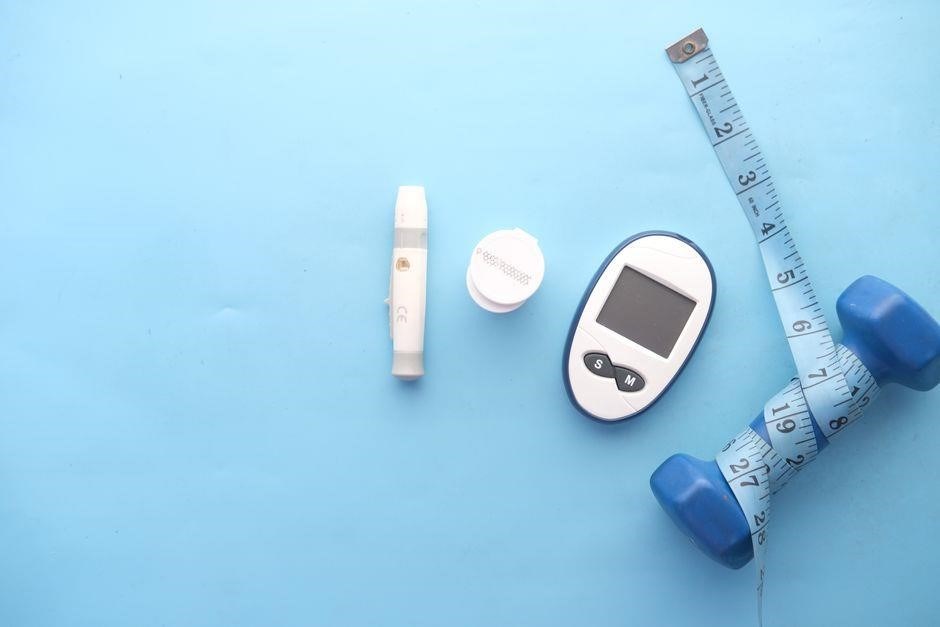
Regular glucose checks help tailor Wegovy dosing and diet․ Use a continuous glucose monitor or finger‑stick tests before meals and at bedtime․ Aim for fasting glucose <100 mg/dL and post‑prandial <140 mg/dL․ Log readings in a spreadsheet; look for patterns—high spikes after carbs or low dips during fasting․ Adjust carbohydrate intake accordingly, reducing refined sugars and increasing fiber․ If readings trend upward, consider adding a low‑glycemic protein snack or a small dose of healthy fat․ Keep a journal of mood, appetite, and energy; correlate with glucose trends to identify triggers․ Share data with your clinician; they may suggest dose tweaks or add a metformin supplement if insulin resistance is suspected․ Consistent monitoring empowers you to make evidence‑based changes,reboundweight gainand maintaining metabolic health․ Track changes over weeks to gauge effectiveness and adjust lifestyle accordingly Use these insights to refine meal timing, portion sizes, and supplement choices for optimal results․ Consistency and patience are key to long‑term success Stay focused․ Go․
3․5 Use Support Tools (Apps & Support Groups)
Leverage digital and community resources to sustain motivation; Download a reputable weight‑loss app that tracks medication adherence, meals, and physical activity; sync data with your healthcare provider for real‑time feedback․ Set daily reminders for injections and water intake․ Join an online support group or local meetup focused on Wegovy users; share progress, challenges, and recipes․ Engage a virtual coach for personalized goal setting and accountability․ Use a habit‑building app to reinforce healthy routines, such as a 10‑minute stretch before meals․ Explore mindfulness apps to manage stress‑related eating․ Schedule weekly check‑ins with a peer mentor to celebrate milestones and troubleshoot setbacks․ Combine these tools with a structured plan to create a cohesive ecosystem that keeps you on track, enhances adherence, and accelerates weight loss․

Managing Side Effects and Adherence
Minimize nausea by taking Wegovy with food, stay hydrated, and use anti‑emetic if needed․ Schedule dose on a calm day, rotate injection sites, and keep a symptom log․ Consistent routine boosts adherence․ and track․now
4․1 Common Side Effects
Wegovy’s most frequently reported side effects include nausea, vomiting, diarrhea, constipation, abdominal pain, and dizziness․ These gastrointestinal symptoms typically appear within the first few weeks and often diminish as the body adapts․ Nausea can be mild or severe; it may worsen after meals or when the dose is increased․ Vomiting, though less common, can lead to dehydration and electrolyte imbalance, especially if fluid intake is insufficient․ Diarrhea and constipation both disrupt normal bowel habits; alternating stool consistency is a common pattern․ Abdominal discomfort may manifest as cramping or bloating, sometimes accompanied by a feeling of fullness․ Dizziness or light‑headedness can occur, particularly during the initial titration phase․ Rarely, patients experience headaches, fatigue, or mild injection site reactions such as redness or swelling․ While these effects are generally transient, they can impact adherence if not managed proactively․ Monitoring symptoms, adjusting meal timing, staying hydrated, and using supportive measures can help mitigate discomfort and maintain consistent dosing․ Stay consistent․!!
4․2 Strategies to Minimize Discomfort
To reduce common side effects, begin with a gradual dose escalation, allowing the body to acclimate․ Schedule injections at the same time each day, preferably before a light meal to lessen nausea․ Pair the dose with a small, balanced snack—such as a banana or yogurt to buffer stomach irritation․ Maintain adequate hydration; sipping water or electrolyte drinks throughout the day can counteract diarrhea and prevent dehydration․ If constipation occurs, incorporate soluble fiber sources like oats or prunes, and consider a mild laxative under medical guidance․ For dizziness, stand slowly from seated positions and avoid abrupt head movements․ Use anti‑emetic medication only after consulting a healthcare provider․ Monitor blood glucose regularly; hypoglycemia can exacerbate dizziness and fatigue․ If injection site redness or swelling appears, apply a cool compress and elevate the arm․ Keep a symptom diary to identify triggers and discuss adjustments with your clinician․ Consistent adherence, combined with these supportive measures, transforms discomfort into manageable routine, sustaining long‑term weight‑loss progress․
4․3 Maintaining Consistency
Consistency is the cornerstone of successful Wegovy therapy․ Begin by integrating the injection into a daily ritual—whether it’s after breakfast, before a workout, or at bedtime—so the habit becomes automatic․ Use a pill organizer or a dedicated app to set reminders; the visual cue reinforces adherence․ Keep a detailed journal of mood, appetite, and side effects; patterns that emerge can guide personalized tweaks․ Engage a support network—friends, family, or a weight‑loss group to celebrate milestones and share challenges․ Celebrate small victories with non‑food rewards, as a new workout playlist or a relaxing bath, to maintain motivation․ Finally, view setbacks as learning opportunities; analyze what disrupted the routine and implement corrective actions․ By embedding these practices into daily life, you create a resilient framework that sustains weight‑loss momentum over the long term․ Additionally, schedule weekly weigh‑ins to track progress objectively․ Use a calorie‑tracking app to ensure you stay within your target range, and adjust portion sizes as needed․ Stay hydrated by drinking at least eight glasses of water, which helps mitigate nausea and supports metabolic function․ Engage in mindful eating: chew slowly, savor flavors, and pause before reaching for snacks․ This holistic approach reinforces the medication’s effects and promotes sustainable weight loss․

Tracking Progress and Adjusting the Plan
Track weight weekly, waist, blood sugar․ Review app data and adjust dose if plateau․ Use spreadsheet for trends, set realistic goals, and consult provider for fine‑tuning․
5․1 Key Metrics to Track
Monitoring weight loss on Wegovy demands a multi‑parameter approach․ First, record daily body weight on a consistent scale, ideally in the morning before breakfast, to capture true changes․ Second, measure waist circumference at the level of the navel; this reflects visceral fat reduction․ Third, track fasting blood glucose and HbA1c every 4–6 weeks to assess metabolic impact․ Fourth, log daily caloric intake and macronutrient distribution using a food diary or app, ensuring alignment with a low‑carb or balanced plan․ Fifth, note subjective appetite scores and satiety levels each meal, which can reveal dose‑related appetite suppression․ Sixth, document exercise frequency, duration, and intensity, as physical activity amplifies weight loss․ Finally, record any side‑effects or medication adherence issues, as these can influence outcomes․ By compiling these metrics into a spreadsheet or digital tracker, patients and clinicians can identify trends, predict plateaus, and adjust dosage or lifestyle interventions promptly․
Track these metrics reviewnow with your clinician․
5․2 When to Adjust Dosage
Adjusting Wegovy dosage hinges on objective data, patient tolerance, and therapeutic goals․ Begin by reviewing the weight‑loss trajectory: a plateau lasting 4–6 weeks with ≤1․5 kg loss per month suggests a need for dose escalation․ Simultaneously, evaluate fasting glucose and HbA1c; a rise of >10 mg/dL or >0․5 % may warrant a higher dose to improve glycemic control․ Side‑effect profiles also guide changes: persistent nausea, vomiting, or severe gastrointestinal discomfort should prompt a temporary dose hold or reduction before attempting an increase․ Patient‑reported appetite suppression and satiety scores are equally critical; if hunger returns or energy dips, consider stepping up the dose․ Finally, align adjustments with scheduled clinical visits, ensuring that any dosage change is documented, monitored, and supported by a structured follow‑up plan․ A systematic, data‑driven approach maximizes efficacy while safeguarding safety․ Regular monitoring and open communication with your healthcare provider ensure timely adjustments and sustained success daily․!