The Veritas MKII honing guide, released initially in 2016, addresses shortcomings of earlier models, offering enhanced blade clamping and micro-bevel honing capabilities for precision.
What is a Honing Guide and Why Use One?
A honing guide is an essential tool for sharpening blades, ensuring consistent and precise angles crucial for optimal cutting performance. Without a guide, maintaining a uniform bevel across the blade’s length becomes incredibly difficult, leading to uneven sharpening and reduced tool effectiveness.
Honing guides like the Veritas MKII eliminate guesswork, securely holding the blade at the desired angle while you draw it across a sharpening stone. This results in a remarkably sharp and consistent edge, extending the life of your tools and improving the quality of your work. They are particularly valuable for beginners, but even experienced woodworkers benefit from the accuracy and efficiency they provide.
The Veritas MKII: An Overview
The Veritas MKII honing guide represents a significant refinement over its predecessor, the standard MKII. Introduced to address user feedback, it boasts advanced build quality and a more versatile blade holding system. This guide excels in its ability to accommodate a wider range of blade widths, particularly narrower blades where the original MKII sometimes faltered.
Key to its design is a robust clamping mechanism that securely registers blade geometry. Furthermore, the MKII features a three-position eccentric roller, simplifying the process of honing micro-bevels with speed and accuracy. It’s a premium tool designed for both hobbyists and professional woodworkers seeking exceptional sharpening results.

Key Features of the Veritas MKII
The Veritas MKII stands out with its universal blade holding, three-position eccentric roller for micro-bevels, and durable construction, ensuring precise and long-lasting honing performance.
Universal Blade Holding System
The Veritas MKII’s most notable advancement lies within its universal blade holding system. Unlike previous iterations, this design accommodates a remarkably wide range of blade widths and thicknesses without requiring separate adapters. This eliminates the need for multiple inserts, streamlining the honing process and reducing setup time significantly.
The system’s clamping mechanism registers against the blade’s geometry, ensuring consistent and accurate alignment throughout the honing procedure. This feature is particularly beneficial for users working with diverse tool sets, including chisels, plane irons, and carving knives. The adaptability of the blade holding system contributes significantly to the MKII’s versatility and user-friendliness, making it a valuable asset in any woodworking shop.
Three-Position Eccentric Roller for Micro-Bevels
A key feature of the Veritas MKII is its integrated three-position eccentric roller, designed specifically for honing micro-bevels with speed and precision. This innovative mechanism allows users to create a secondary bevel on their blades with a simple turn of a knob, enhancing edge durability and sharpness.
The three positions offer varying degrees of micro-bevel angle, providing flexibility to tailor the edge geometry to specific cutting tasks. This eliminates the need for complex setups or additional jigs, simplifying the process of refining blade edges. The eccentric roller ensures consistent micro-bevel formation, resulting in a superior cutting performance and prolonged edge life.
Robust Construction and Durability
The Veritas MKII distinguishes itself through its exceptionally robust construction, ensuring long-term durability even with frequent and demanding use. Crafted from high-quality materials, including machined aluminum and stainless steel components, the honing guide resists wear and tear, maintaining its precision over time.
This build quality translates to a stable and reliable platform for honing, minimizing flex and vibration during operation. The solid construction also contributes to the guide’s ability to consistently maintain the desired honing angle. Users can expect years of dependable service from the Veritas MKII, making it a worthwhile investment for serious woodworkers.
Setting Up the Veritas MKII
Proper setup of the Veritas MKII involves secure blade insertion, precise adjustment for blade thickness, and reliable clamping—critical steps for accurate honing results.
Blade Insertion and Alignment
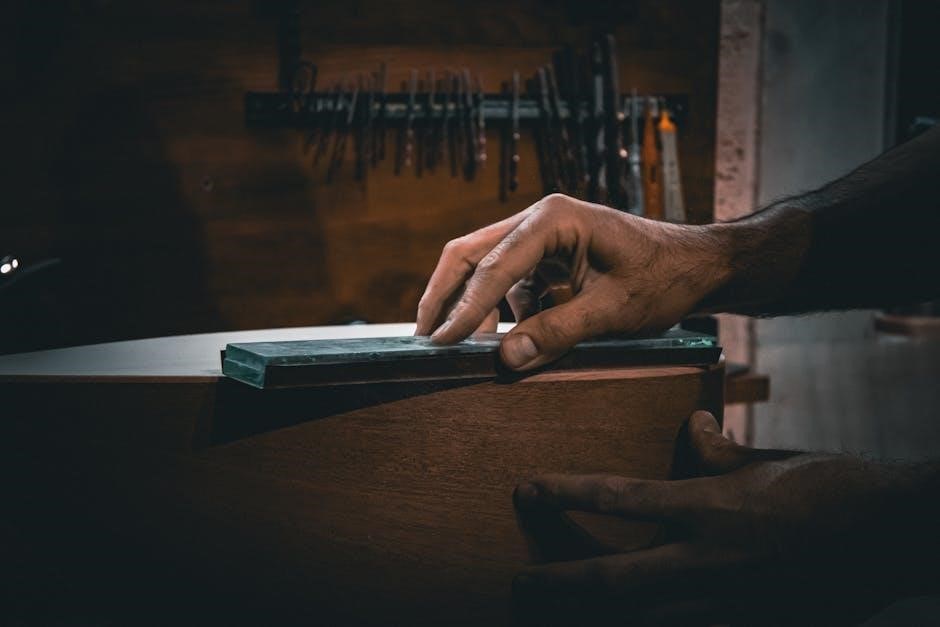
Initiating the honing process with the Veritas MKII begins with careful blade insertion. The guide’s universal blade holding system accommodates various blade widths and thicknesses, ensuring a snug fit. Proper alignment is paramount; the blade’s bevel side must firmly contact the guide’s reference surface.
This contact establishes the honing angle. Ensure the blade is centered within the guide to prevent uneven honing and maintain symmetry. The clamping mechanism then secures the blade, preventing movement during the honing stroke. A correctly aligned blade is fundamental for achieving a sharp, consistent edge, maximizing the guide’s precision and effectiveness. Double-check alignment before proceeding!
Adjusting for Blade Thickness
The Veritas MKII excels in its adaptability to diverse blade thicknesses. A key feature is the adjustable central pivot, allowing precise accommodation for blades ranging from very thin carving tools to substantial plane irons. This adjustment ensures the blade’s spine remains parallel to the honing surface throughout the process.
To adjust, loosen the pivot knob and reposition the central support until it snugly contacts the blade’s spine. Retighten the knob to secure the setting. Incorrect adjustment leads to inconsistent honing angles and a less-than-optimal edge. Accurate blade thickness compensation is crucial for maximizing the guide’s precision and achieving professional results.
Securing the Blade – Clamping Mechanism
The Veritas MKII’s clamping mechanism is a standout feature, registering blade geometry with exceptional accuracy. Unlike some guides, it employs a robust cam-action lever that firmly, yet gently, secures the blade without distortion. This prevents slippage during honing, a common issue with less sophisticated systems.
The cam-action design distributes pressure evenly, minimizing the risk of blade flex or damage. Before honing, ensure the blade is fully seated and the cam lever is locked securely. Periodically check the clamping pressure during extended honing sessions to maintain optimal blade stability and consistent angle control for a superior edge.
Honing Techniques with the Veritas MKII
Effective honing with the Veritas MKII requires selecting the appropriate abrasive, maintaining a consistent angle, and utilizing the eccentric roller for micro-bevels;
Choosing the Right Abrasive
Selecting the correct abrasive is crucial for optimal honing results with the Veritas MKII. Abrasive choice depends on the steel hardness and the desired level of refinement. Diamond stones are excellent for rapid stock removal and are particularly effective on harder steels, quickly establishing a sharp edge.
Water stones, available in various grits, offer a balance between cutting speed and refinement, requiring water lubrication during use. Oil stones provide a slower, more controlled honing process, ideal for achieving a highly polished edge. For final polishing and removing the burr, consider stropping compounds applied to leather.
Begin with a coarser grit to address any damage or dullness, then progressively move to finer grits for a refined, razor-sharp edge. Remember to clean the abrasive surface regularly to prevent loading and maintain optimal performance.
Maintaining Consistent Angle
The Veritas MKII excels at helping users maintain a consistent honing angle, vital for achieving a sharp and durable edge. The guide’s robust design minimizes unwanted movement during the honing process. Ensure the blade is securely clamped within the guide before beginning, and periodically check the alignment throughout the process.
Slow, deliberate strokes are key; avoid excessive pressure, allowing the abrasive to do the work. Regularly inspect the blade’s edge to confirm the angle is being maintained. Minor adjustments can be made to the guide’s settings if needed. Consistent angle equals consistent sharpness!
Practice and patience are essential for mastering this technique, leading to professional-quality results.
Honing Micro-Bevels
A standout feature of the Veritas MKII is its three-position eccentric roller, specifically designed for honing micro-bevels quickly and accurately. This allows for creating a secondary, slightly smaller bevel at the very edge of the blade, enhancing durability and sharpness.
Simply adjust the roller to the desired position, and a simple turn of a knob initiates the micro-bevel honing process. This technique strengthens the edge, reducing chipping and extending the time between sharpenings. It’s a significant upgrade over traditional honing methods.
Experiment with different micro-bevel sizes to find what works best for your specific blades and applications.

Comparing the Veritas MKII to Other Honing Guides
The Veritas MKII improves upon the standard MKII, offering a refined clamping mechanism and enhanced features, while competing favorably with brands like Woodpeckers in precision.
Veritas MKII vs. Standard MKII
The Veritas MKII represents a significant evolution from the original Standard MKII honing guide, addressing several user-identified limitations. While the Standard MKII proved reliable for many years, the MKII boasts a substantially improved blade clamping mechanism, offering greater security and reduced potential for slippage during the honing process.
A key upgrade is the inclusion of a three-position eccentric roller, facilitating quick and accurate micro-bevel honing with a simple knob adjustment – a feature not present in the earlier model. This allows for more refined edge geometry and easier maintenance of a consistently sharp blade. Furthermore, the MKII generally exhibits enhanced build quality and durability, making it a worthwhile investment for serious woodworkers seeking precision and longevity.
Veritas MKII vs. Other Brands (e.g., Woodpeckers)
When comparing the Veritas MKII to competitors like Woodpeckers honing guides, several distinctions emerge. Woodpeckers often focuses on versatility, offering guides compatible with a wider range of blade widths out-of-the-box. However, the Veritas MKII excels in its clamping precision and the ease with which micro-bevels can be established and maintained, thanks to its unique eccentric roller.
Many users praise the Veritas MKII’s robust construction and overall build quality, perceiving it as more durable than some alternatives. While Woodpeckers guides can be excellent, the MKII’s refined features and focus on achieving exceptionally sharp, consistent edges often make it the preferred choice for discerning woodworkers prioritizing ultimate control and accuracy.
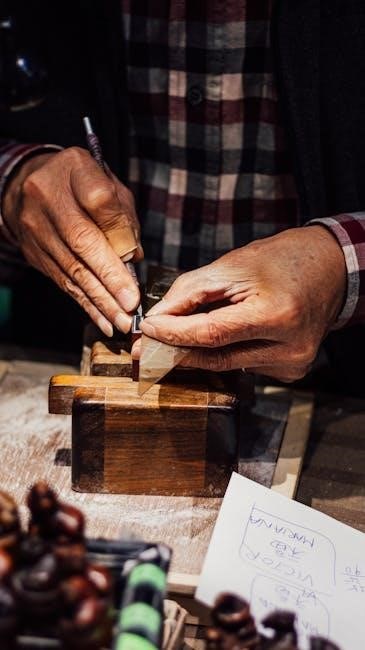
Troubleshooting Common Issues
Common problems with the Veritas MKII include blade slippage and difficulty maintaining a consistent honing angle; proper clamping and adjustment are key solutions.
Blade Slippage During Honing
Blade slippage is a frustrating issue when using the Veritas MKII honing guide, but it’s often easily resolved. The primary cause is insufficient clamping pressure, meaning the blade isn’t held firmly enough against the guide’s base. Ensure the clamping knob is tightened securely, but avoid over-tightening, which can distort the blade.
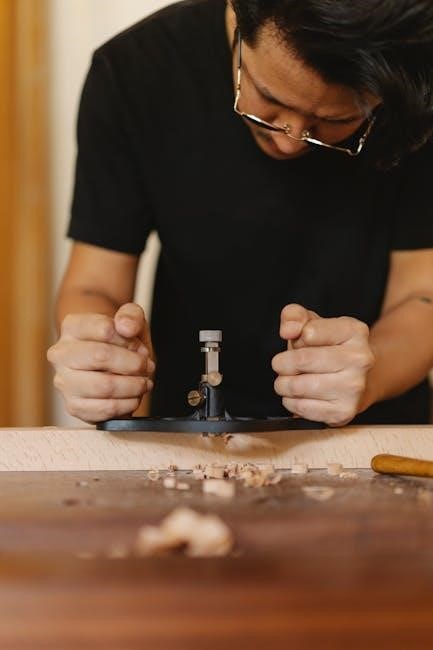
Also, verify the blade is correctly seated within the guide’s jaws and that the appropriate sized adapter is being used for narrower blades – the MKII Narrow Blade version addresses this directly. A dirty blade or honing guide surface can also contribute to slippage; cleaning both thoroughly before use is crucial. Finally, inspect the blade’s surface for any burrs or imperfections that might prevent a solid grip.
Difficulty Achieving Consistent Angle
Maintaining a consistent honing angle with the Veritas MKII is usually straightforward, but occasional difficulties can arise. The key is ensuring the guide’s base is fully and firmly seated against the sharpening stone. Any rocking or uneven contact will lead to angle variations. Double-check the adjustment knob is locked securely after setting your desired angle.
Also, confirm the blade is properly aligned within the guide before clamping. A slightly skewed blade will inevitably result in an inconsistent bevel. Practice consistent, even pressure during honing strokes, and avoid lifting the guide between passes. Finally, periodically verify the angle using a digital angle gauge for added confidence.
Adjusting for Different Blade Profiles
The Veritas MKII excels at accommodating diverse blade geometries, from straight edges to curved irons. The universal blade holding system allows for adjustments to handle varying widths and thicknesses. For blades with significant profiles, ensure adequate clearance within the guide’s jaws to prevent binding during honing.
Loosen the clamping mechanism and carefully reposition the blade until it’s securely held without forcing. The eccentric roller’s adjustability is crucial for maintaining consistent contact with curved blades; Experiment with slight adjustments to the blade’s position within the guide to optimize honing performance and achieve a flawless edge.

Maintenance and Care
Regular cleaning of the Veritas MKII honing guide, alongside occasional lubrication of moving parts, ensures smooth operation and extends its lifespan considerably.
Cleaning the Honing Guide
Maintaining a clean Veritas MKII is crucial for optimal performance and longevity. After each use, thoroughly remove any abrasive particles or metal filings that accumulate within the guide’s body and around the blade clamping mechanism. A soft brush, like an old toothbrush, is ideal for reaching tight spaces.
Avoid using harsh solvents or abrasive cleaners, as these can damage the guide’s finish or delicate components. Warm water and mild soap are generally sufficient. Pay particular attention to the roller assembly and ensure it rotates freely without obstruction.
For stubborn residue, a small amount of isopropyl alcohol can be used cautiously. Always dry the guide completely before storing it to prevent corrosion. Regular cleaning prevents build-up that could affect blade alignment and honing accuracy.
Lubrication
Proper lubrication of the Veritas MKII ensures smooth operation and prevents wear on critical components. The primary areas requiring occasional lubrication are the roller assembly and the lead screw mechanism responsible for blade clamping adjustments. A light application of a silicone-based lubricant or a specialized honing guide lubricant is recommended.
Avoid using oil-based lubricants, as they can attract abrasive particles and create a grinding paste. Apply the lubricant sparingly to the roller bearings and along the lead screw threads, then cycle the mechanism several times to distribute it evenly.
Regular lubrication maintains the guide’s precision and responsiveness, contributing to consistent honing results and extending its overall lifespan. Inspect and re-apply lubricant as needed, especially after prolonged use or cleaning.
Resources and Further Learning
Explore Veritas Tools’ website for detailed guides and support, alongside vibrant online forums and communities dedicated to honing techniques and the MKII.
Veritas Tools Website
The official Veritas Tools website serves as an invaluable resource for owners of the MKII honing guide. Here, you’ll discover comprehensive product documentation, including detailed manuals outlining setup, operation, and maintenance procedures; Beyond the basics, Veritas provides a wealth of instructional videos demonstrating proper honing techniques specifically tailored for use with the MKII.
These videos cover everything from blade insertion and alignment to achieving consistent honing angles and creating precise micro-bevels. Furthermore, the website features a dedicated section for frequently asked questions, addressing common troubleshooting issues and providing helpful tips. You can also find information on compatible accessories and replacement parts, ensuring your MKII remains in optimal working condition for years to come. Regularly checking the Veritas website will keep you updated on new resources and best practices.
Online Forums and Communities
Numerous online forums and woodworking communities are brimming with discussions about the Veritas MKII honing guide. These platforms offer a fantastic opportunity to connect with fellow woodworkers, share experiences, and learn from each other’s successes and challenges. Websites like Wood Talk Online host dedicated threads where users review the MKII, discuss its features, and offer solutions to common problems.
You’ll find valuable insights into honing techniques, blade sharpening strategies, and modifications to enhance the guide’s performance. These communities are also excellent places to ask questions, receive personalized advice, and stay informed about the latest tips and tricks from experienced users. Engaging with these online resources can significantly accelerate your learning curve and help you master the art of sharpening with the Veritas MKII.